
Clean & Minimal AI Powered Fitness Routines
Download AppIntermediate Vestibular Hypofunction Routine
A ~25-minute vestibular rehab session focused on gaze stabilization, balance, and habituation.
Intermediate Vestibular Hypofunction Routine
A ~25-minute vestibular rehab session focused on gaze stabilization, balance, and habituation.
Warm-Up
Settle your breathing and gently increase circulation before vestibular drills. 3 minutes.
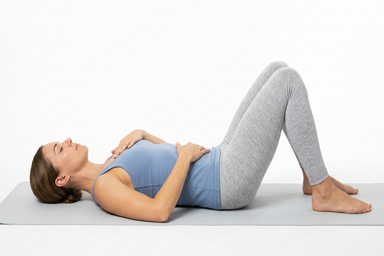
How to
A slow breathing drill that trains relaxed belly breathing and helps you control your breath.
- Lie on your back or sit tall with one hand on your belly.
- Inhale through your nose and let your belly rise.
- Exhale slowly and let your belly fall.
- Keep your chest and shoulders quiet.
- Continue for the set time with smooth breaths.
- Breathe low into your belly
- Keep your shoulders relaxed
- Shrugging your shoulders as you inhale
- Forcing the breath or holding tension
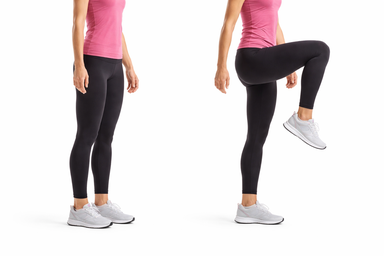
How to
A low-impact cardio move that warms up your legs and hips while raising your heart rate.
- Stand tall with your feet hip-width apart and arms at your sides.
- Lift one knee to hip height as you swing the opposite arm forward.
- Lower that foot, then lift the other knee and switch arms.
- Keep alternating sides at a steady pace.
- Slow down and plant both feet to finish.
- Stand tall with your chest up
- Land softly under your hips
- Leaning back as you lift your knees
- Stomping your feet on each step
VOR x1 and VOR x2
Horizontal and vertical drills. Do each drill at a brisk but controlled speed. If symptoms spike, slow down or shorten the interval.
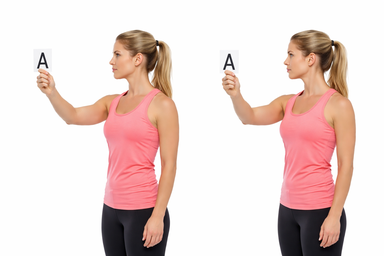
How to
A gaze drill that trains eye focus while your head moves. Do it seated or standing tall.
- Sit or stand tall and hold a small target at eye level.
- Fix your eyes on the target and keep it in focus.
- Turn your head side to side in a small, steady range.
- Keep your body still and breathe as you continue for time.
- Move only your head
- Keep the target clear
- Letting your eyes drift off the target
- Moving so fast the target blurs
How to
A gaze drill that trains eye focus while your head moves. Do it seated or standing tall.
- Sit or stand tall and hold a small target at eye level.
- Fix your eyes on the target and keep it in focus.
- Turn your head side to side in a small, steady range.
- Keep your body still and breathe as you continue for time.
- Move only your head
- Keep the target clear
- Letting your eyes drift off the target
- Moving so fast the target blurs
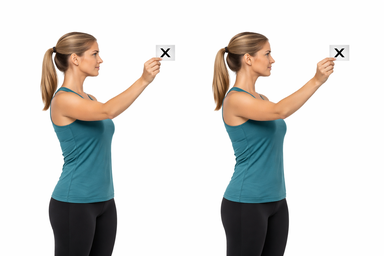
How to
A gaze drill where your head and target move opposite ways. It trains steady eye focus and control.
- Sit or stand tall and hold a small target at eye level.
- Keep your eyes fixed on the target.
- Move your head one way and the target the other way.
- Use a small, steady range and keep breathing.
- Slow down, then stop with head and target centered.
- Keep the target in focus.
- Move smoothly, not fast.
- Letting your eyes jump off the target.
- Using a range that feels too hard to control.
How to
A gaze drill where your head and target move opposite ways. It trains steady eye focus and control.
- Sit or stand tall and hold a small target at eye level.
- Keep your eyes fixed on the target.
- Move your head one way and the target the other way.
- Use a small, steady range and keep breathing.
- Slow down, then stop with head and target centered.
- Keep the target in focus.
- Move smoothly, not fast.
- Letting your eyes jump off the target.
- Using a range that feels too hard to control.
Eye Movement Control
Keep head still for these unless noted. Use two targets (e.g., two sticky notes) for saccades.
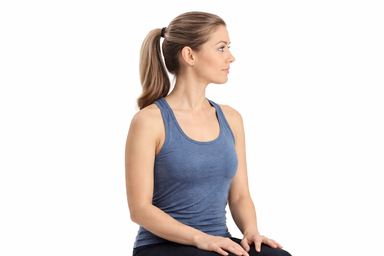
How to
A quick eye-shift drill that trains controlled focus between two targets.
- Hold two thumbs at eye level, about shoulder-width apart.
- Keep your head still and look quickly from one thumb to the other.
- Let your eyes land and focus before each next shift.
- Continue for the set time, then relax your eyes.
- Keep your head still
- Move only your eyes
- Turning your head toward the target
- Rushing so your eyes never focus
How to
A quick eye-shift drill that trains controlled focus between two targets.
- Hold two thumbs at eye level, about shoulder-width apart.
- Keep your head still and look quickly from one thumb to the other.
- Let your eyes land and focus before each next shift.
- Continue for the set time, then relax your eyes.
- Keep your head still
- Move only your eyes
- Turning your head toward the target
- Rushing so your eyes never focus
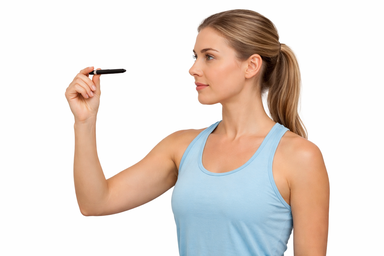
How to
An eye-tracking drill that trains smooth eye movement while your head stays still.
- Sit or stand tall and hold your thumb at eye level, arm's length away.
- Keep your head still and focus on your thumb.
- Move your thumb slowly side to side, tracking it with your eyes.
- Move it up and down with the same smooth eye tracking.
- Return your thumb to center and relax your eyes.
- Keep your head still
- Move slowly enough to keep the target clear
- Turning your head to follow the target
- Moving so fast your eyes jump off the target
How to
An eye-tracking drill that trains smooth eye movement while your head stays still.
- Sit or stand tall and hold your thumb at eye level, arm's length away.
- Keep your head still and focus on your thumb.
- Move your thumb slowly side to side, tracking it with your eyes.
- Move it up and down with the same smooth eye tracking.
- Return your thumb to center and relax your eyes.
- Keep your head still
- Move slowly enough to keep the target clear
- Turning your head to follow the target
- Moving so fast your eyes jump off the target
Strength and Static Balance
Move steadily; prioritize control over speed.
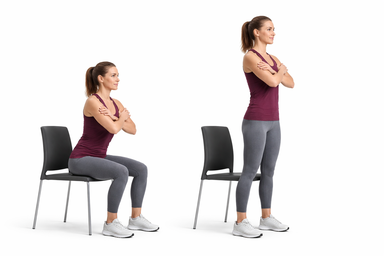
How to
A chair-based squat pattern that trains your thighs and glutes for standing strength.
- Sit near the front of a chair with feet flat and hip-width apart.
- Lean slightly forward and brace your core.
- Press through both feet and stand tall.
- Push your hips back and sit down with control.
- Keep your knees tracking over your toes
- Stand tall at the top
- Letting your knees cave inward
- Dropping hard onto the chair
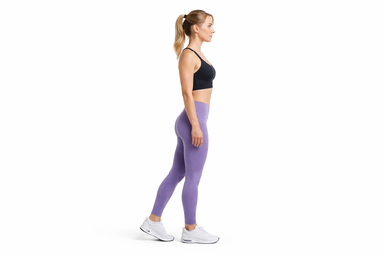
How to
A narrow heel-to-toe balance hold that trains steady posture and control.
- Stand tall near support if needed.
- Place one foot directly in front of the other, heel to toe.
- Keep your weight even and eyes forward.
- Hold the stance and breathe slowly.
- Stand tall through your head
- Keep your feet in one line
- Leaning your body to one side
- Looking down the whole time
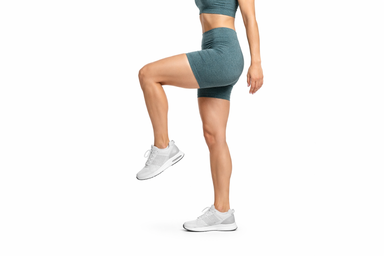
How to
A one-leg balance hold that trains foot, ankle, hip, and core control.
- Stand tall with your feet hip-width apart.
- Shift your weight onto one foot and lift the other foot off the floor.
- Hold steady and breathe slowly.
- Lower your foot with control.
- Finish your hold, then switch legs.
- Keep your hips level.
- Stand tall through your head.
- Leaning your body to one side.
- Letting your lifted foot touch down repeatedly.
Dynamic Balance and Turns
Walk along a hallway or near a wall. Keep steps small and controlled if dizzy.
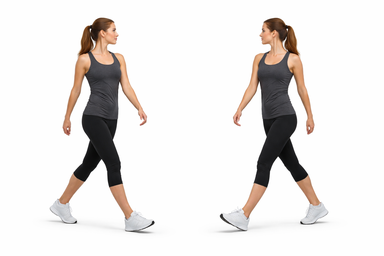
How to
A walking balance drill that trains head control, posture, and coordination while you move.
- Stand tall with clear space ahead of you.
- Start walking forward at a steady, controlled pace.
- Turn your head right for one step, then left for the next.
- Keep your chest facing forward as your head turns.
- Continue alternating head turns until the set is done.
- Keep your eyes level
- Walk slowly and stay tall
- Twisting your whole torso with each turn
- Rushing or taking uneven steps
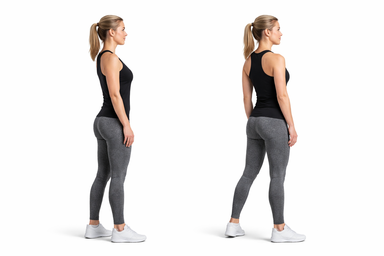
How to
A simple standing turn that warms up your feet, hips, and coordination.
- Stand tall with feet hip-width apart and arms relaxed.
- Step or pivot your feet to turn your body in place.
- Keep turning with small controlled steps.
- Reverse direction or continue for the planned time.
- Stay tall as you turn
- Use small smooth steps
- Twisting only your knees
- Rushing and losing balance

VOR Gain & Retinal Slip Reduction
VOR x1 and x2 drills directly train the vestibulo-ocular reflex to match eye velocity with head velocity, reducing the retinal slip that causes oscillopsia and dizziness. Saccades and smooth pursuit layer in cerebellar oculomotor adaptation, targeting the specific gaze instability that makes reading, driving, and crowded spaces feel overwhelming.

What Unilateral Hypofunction Demands
A damaged vestibular nerve forces your brain to reweight proprioceptive and visual inputs—which is why tandem stance and single-leg stance feel disproportionately hard when you close your eyes or look away. Head turns during walking are the functional stress test your vestibular system faces every single day, making Walk With Head Turns the most ecologically valid exercise in this session.

Habituation Dosing & Symptom Threshold
This routine is structured around repeated, controlled provocation—each head movement and balance challenge is a calibrated stimulus that drives central compensation through neuroplasticity, not avoidance. Sit to stand is placed in the balance block intentionally, as orthostatic vestibular stress compounds gaze and postural demands simultaneously. Personalize intensity by tracking your symptom sco