
Clean & Minimal AI Powered Fitness Routines
Download AppIntermediate Hiking: Steep Terrain
A 25-minute session to build uphill strength, stability, and hiking-specific endurance.
Intermediate Hiking: Steep Terrain
A 25-minute session to build uphill strength, stability, and hiking-specific endurance.
Warm-Up
Raise heart rate and prep hips, knees, and ankles for climbing. 5 minutes.
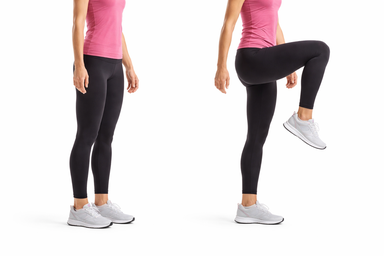
How to
A low-impact cardio move that warms up your legs and hips while raising your heart rate.
- Stand tall with your feet hip-width apart and arms at your sides.
- Lift one knee to hip height as you swing the opposite arm forward.
- Lower that foot, then lift the other knee and switch arms.
- Keep alternating sides at a steady pace.
- Slow down and plant both feet to finish.
- Stand tall with your chest up
- Land softly under your hips
- Leaning back as you lift your knees
- Stomping your feet on each step
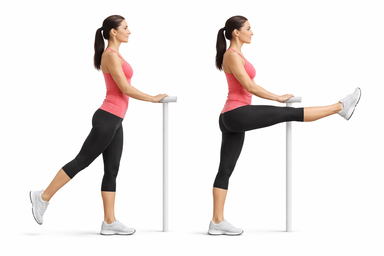
How to
A dynamic leg swing that warms up your hips, hamstrings, and glutes while challenging balance.
- Stand tall and hold a wall or rail for light support if needed.
- Lift one leg slightly off the floor with a soft knee.
- Swing it forward and back with control.
- Set it down, then switch legs on the next rep.
- Keep your torso tall.
- Swing from the hip, not the low back.
- Leaning back as the leg swings forward.
- Forcing the range of motion.
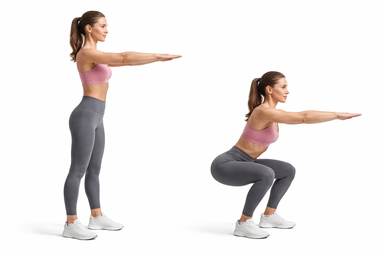
How to
A bodyweight lower-body move that trains your quads, glutes, and hips.
- Stand with feet about shoulder-width apart and toes slightly out.
- Brace your core and keep your chest tall.
- Bend your knees and hips to lower into a squat.
- Push through your feet to stand back up.
- Keep your knees tracking over your toes
- Keep your chest up
- Letting your knees cave in
- Rounding your back as you lower
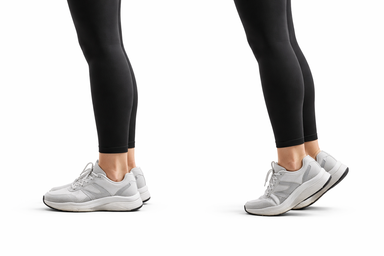
How to
A standing lower-leg move that trains your calves by lifting and lowering your heels.
- Stand tall with both feet hip-width apart.
- Press through the balls of your feet and lift your heels.
- Pause briefly at the top with control.
- Lower your heels slowly back to the floor.
- Repeat for your reps.
- Keep your ankles tracking straight.
- Move up and down with control.
- Rocking onto the outside edges of your feet.
- Bouncing at the bottom of each rep.
Main Work
Uphill power and hiking stability with a cardio push. 17 minutes.
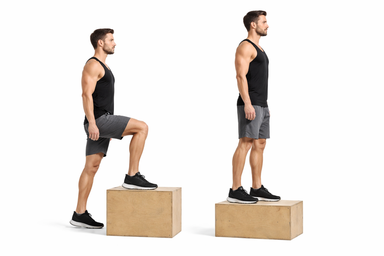
How to
A single-leg climb onto a step that trains your quads, glutes, and balance.
- Stand facing a sturdy step with one foot fully on top.
- Lean slightly forward and drive through the front foot to stand up.
- Bring your back foot onto the step with control.
- Step back down with the same back foot, then lower the front foot.
- Finish your reps, then switch legs.
- Keep your chest tall
- Drive through your whole front foot
- Pushing off too much with the back foot
- Letting your front knee cave inward
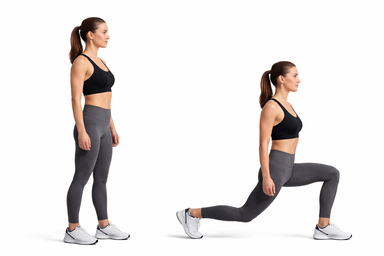
How to
A forward step lunge that trains your legs and glutes, one side at a time.
- Stand tall with your feet hip-width apart.
- Step one foot forward and plant it flat.
- Bend both knees until your back knee moves toward the floor.
- Push through your front foot to return to standing.
- Finish your reps, then switch legs.
- Keep your chest tall.
- Track your front knee over your toes.
- Letting your front knee cave inward.
- Pushing off your back foot to stand up.
How to
A standing lower-leg move that trains your calves by lifting and lowering your heels.
- Stand tall with both feet hip-width apart.
- Press through the balls of your feet and lift your heels.
- Pause briefly at the top with control.
- Lower your heels slowly back to the floor.
- Repeat for your reps.
- Keep your ankles tracking straight.
- Move up and down with control.
- Rocking onto the outside edges of your feet.
- Bouncing at the bottom of each rep.
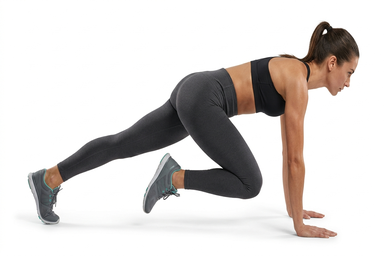
How to
A fast plank move that trains your core, shoulders, and hip flexors.
- Start in a high plank with hands under shoulders and legs straight.
- Brace your core and keep your body in a straight line.
- Drive one knee toward your chest, then quickly step it back.
- Alternate knees at a steady pace for the set.
- Keep your hips low
- Push the floor away
- Letting your hips bounce high
- Dropping your head or rounding your shoulders
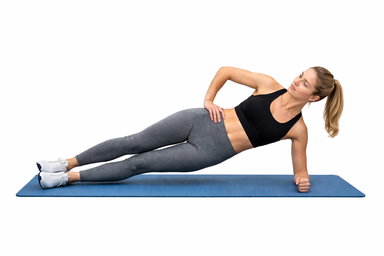
How to
A side hold that trains your obliques, hips, and shoulder stability.
- Lie on one side with your elbow under your shoulder and legs stacked.
- Lift your hips until your body forms a straight line.
- Hold the position and breathe steadily.
- Lower your hips with control.
- Finish your hold, then switch sides.
- Keep your hips stacked
- Press the floor away
- Letting your hips sag
- Rolling your chest toward the floor
Cool-Down
Bring heart rate down and loosen quads and calves after climbing work. 3 minutes.
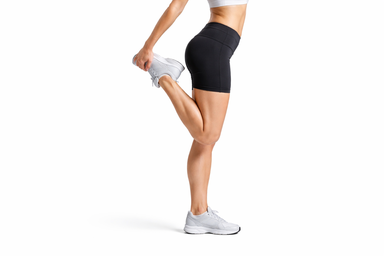
How to
A standing thigh stretch that targets the front of your hip and quad on one leg.
- Stand tall and hold a wall or chair for balance if needed.
- Bend one knee and hold your ankle or foot behind you.
- Keep your knees close and gently draw your heel toward your glute.
- Hold the stretch and breathe slowly.
- Release with control, then switch legs.
- Stand tall through your chest
- Keep your knees close
- Arching your lower back
- Pulling the knee out to the side
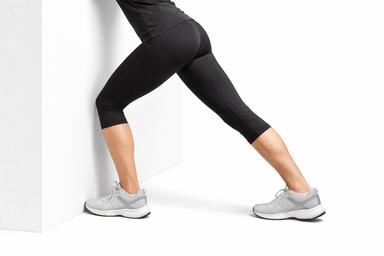
How to
A standing calf stretch for one leg that targets the back of your lower leg.
- Stand facing a wall and place both hands on it.
- Step one foot back and keep that heel on the floor.
- Bend your front knee until you feel a stretch in the back calf.
- Hold the stretch and breathe slowly.
- Release, step in, then switch legs.
- Keep your back heel down
- Point both toes forward
- Letting the back heel lift
- Turning the back foot out

Steep Terrain Loads These Muscles Most
Step-ups and forward lunges directly train the glute-hamstring interface that absorbs force on steep descents, while calf raises build the soleus endurance your ankle needs for sustained uphill push-off. Mountain climbers bridge hip flexor drive with cardiovascular output — the exact demand of a sustained 15–20% grade.

What Steep Trails Actually Do to Your Body
Incline hiking shifts 60–70% of propulsive load onto the posterior chain while demanding continuous single-leg stability with every footfall on uneven ground. The side plank here targets the lateral hip stabilizers that prevent the subtle knee drift that causes fatigue-related injury on technical terrain.

Compress the Gain Into 25 Minutes
The 5-minute warm-up primes neuromuscular recruitment with leg swings and marching before the main work demands full range loading — this sequencing follows the specificity principle, moving from general movement to trail-specific patterns. To personalize, add a weighted backpack to step-ups once bodyweight reps feel controlled and smooth.