
Clean & Minimal AI Powered Fitness Routines
Download AppIntermediate Neck Strength
A ~25-minute neck strength session focusing on controlled isometrics and upper-back support work.
Intermediate Neck Strength
A ~25-minute neck strength session focusing on controlled isometrics and upper-back support work.
Warm-Up
Prepare the deep neck flexors and upper back with low-intensity activation. — Neck and upper back focus.
How to
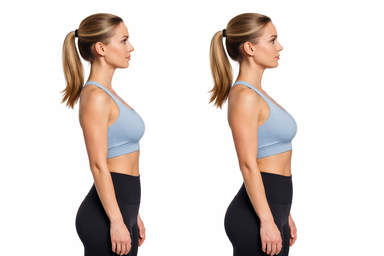
A small neck position hold that trains the front of your neck and helps control head position.
- Sit or stand tall with your eyes looking straight ahead.
- Gently slide your chin straight back, like making a double chin.
- Keep your head level and your jaw relaxed.
- Hold the tuck and breathe slowly.
- Release to neutral, then repeat for the set.
- Move straight back, not down.
- Keep your shoulders relaxed.
- Tilting your head up or down.
- Forcing the tuck or clenching your jaw.
How to
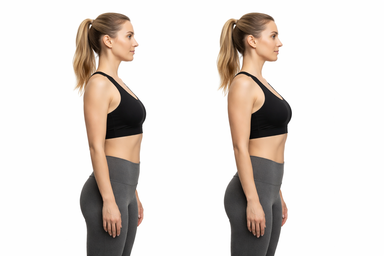
A small shoulder blade squeeze that trains your upper back and shoulder control.
- Stand or sit tall with your arms relaxed by your sides.
- Pull your shoulder blades back and slightly down.
- Pause briefly while keeping your ribs stacked.
- Release with control to the start position.
- Repeat for the set.
- Keep your neck relaxed
- Move from your shoulder blades
- Shrugging your shoulders toward your ears
- Arching your lower back to create the squeeze
Main Strength
Build neck strength with controlled isometric holds in multiple directions.

How to
A neck isometric that trains the front of your neck without moving your head.
- Sit or stand tall with your chin level.
- Place one or both hands on your forehead.
- Gently press your forehead into your hands without letting your head move.
- Hold steady and breathe normally.
- Relax, reset, and repeat for the planned holds.
- Keep your chin tucked slightly
- Use gentle, steady pressure
- Letting your head tip forward
- Holding your breath
How to
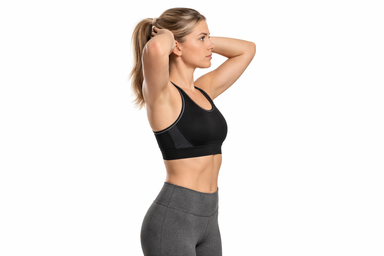
An isometric neck hold that trains the muscles on the back of your neck without moving your head.
- Sit or stand tall with your chin level.
- Place your hands behind your head.
- Press your head back into your hands without letting it move.
- Hold the pressure and breathe steadily.
- Relax slowly and reset.
- Keep your chin level.
- Use gentle, steady pressure.
- Tilting your chin up as you press.
- Pushing so hard that your neck strains.
How to
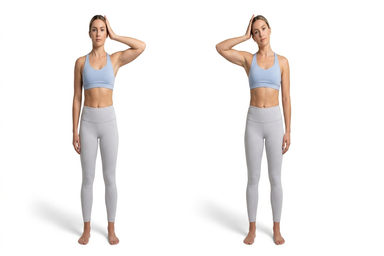
A neck side-bend hold that trains the muscles along the side of your neck.
- Sit or stand tall with your shoulders relaxed.
- Place one hand against the side of your head.
- Gently press your head into your hand without moving your neck.
- Hold and breathe with steady, light pressure.
- Finish your holds, then switch sides.
- Keep your chin level
- Use gentle, steady pressure
- Tilting or twisting your head
- Shrugging your shoulders
How to
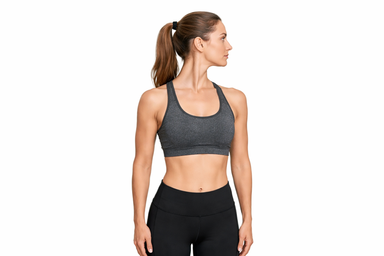
An isometric neck exercise that trains rotation strength without moving your head.
- Sit or stand tall with your head level.
- Place one hand against the side of your jaw.
- Try to turn your head into your hand, but do not let it move.
- Hold and breathe, then relax.
- Repeat the hold on the other side.
- Keep your chin level.
- Use gentle, steady pressure.
- Twisting your head during the hold.
- Shrugging your shoulders up.
How to
A small neck position hold that trains the front of your neck and helps control head position.
- Sit or stand tall with your eyes looking straight ahead.
- Gently slide your chin straight back, like making a double chin.
- Keep your head level and your jaw relaxed.
- Hold the tuck and breathe slowly.
- Release to neutral, then repeat for the set.
- Move straight back, not down.
- Keep your shoulders relaxed.
- Tilting your head up or down.
- Forcing the tuck or clenching your jaw.
Support Work
Reinforce posture muscles that help unload the neck. — Upper back focus.
How to
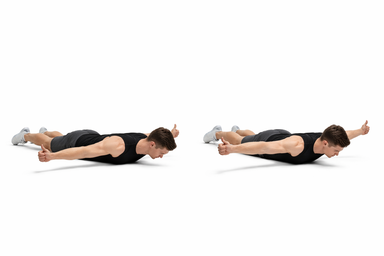
A face-down arm raise that trains your upper back, rear shoulders, and shoulder control.
- Lie face down with your arms out to the sides in a T.
- Point your thumbs up and keep your forehead near the floor.
- Squeeze your shoulder blades and lift your arms a few inches.
- Pause briefly at the top without shrugging.
- Lower your arms with control and repeat.
- Keep your neck long.
- Lead with your thumbs.
- Shrugging your shoulders toward your ears.
- Lifting your chest to swing the arms up.
How to
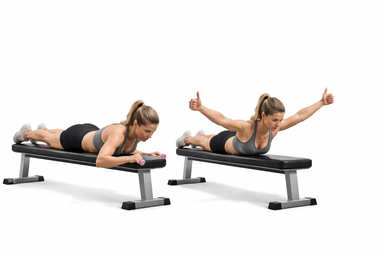
A face-down shoulder raise that trains your upper back and rear shoulders.
- Lie face down with legs long and arms overhead in a Y.
- Set your thumbs up and keep your forehead near the floor.
- Lift your arms a few inches, then lower with control.
- Move your arms out to a T and repeat the lift.
- Continue alternating Y raises and T raises for your reps.
- Squeeze your shoulder blades gently
- Keep your neck long
- Shrugging your shoulders toward your ears
- Lifting your chest high off the floor
How to
A small shoulder blade squeeze that trains your upper back and shoulder control.
- Stand or sit tall with your arms relaxed by your sides.
- Pull your shoulder blades back and slightly down.
- Pause briefly while keeping your ribs stacked.
- Release with control to the start position.
- Repeat for the set.
- Keep your neck relaxed
- Move from your shoulder blades
- Shrugging your shoulders toward your ears
- Arching your lower back to create the squeeze

Isometrics First: Why Force Angle Matters
Neck flexion, extension, and rotation isometrics train the deep cervical stabilizers—longus colli, semispinalis, splenius—at precise joint angles where injury risk is highest. Unlike dynamic reps, isometric holds build stiffness in the connective tissue without exposing vulnerable cervical discs to shear force.

The Hidden Load Your Neck Actually Carries
Cervical strength isn't just about the neck—scapular position directly dictates how much strain the upper traps and levator scapulae absorb during any head-loading scenario. Weak mid-back anchoring forces the neck to compensate, accelerating fatigue and dysfunction in everything from desk posture to contact sport.

Building the Base Before Adding Load
Prone Y and T raises with scapular retraction establish the thoracic and posterior shoulder foundation that makes isometric neck work transferable to real-world demands. Progress these holds by adding 5–10 seconds per set weekly, and if one rotation or side-bend direction feels noticeably weaker, prioritize that vector with an extra set each session.