
Clean & Minimal AI Powered Fitness Routines
Download AppIntermediate Ice Skating Session
A ~25-minute intermediate on-ice skating routine to build control, edges, and conditioning.
Intermediate Ice Skating Session
A ~25-minute intermediate on-ice skating routine to build control, edges, and conditioning.
Warm-Up
Gradually raise heart rate and prep edges with easy skating patterns. (5 minutes)
How to
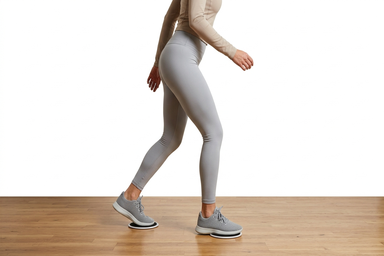
A low-impact skating step that trains your legs and glutes while building coordination.
- Stand tall with feet hip-width apart and arms relaxed.
- Step diagonally forward to one side and bend that knee softly.
- Bring the other foot in lightly behind or beside you.
- Push off and step diagonally forward to the other side.
- Keep alternating sides with a smooth, steady rhythm.
- Stay low and controlled
- Land softly on each step
- Letting your knees collapse inward
- Twisting your upper body too much
How to
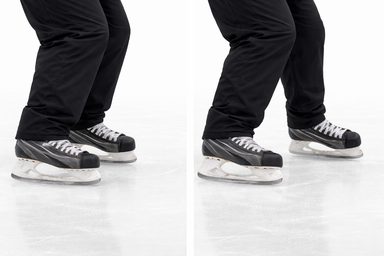
A skating drill that uses inside and outside edges to build control, balance, and leg drive.
- Stand tall with knees bent and feet in a slight V.
- Press your feet outward to make a wide arc.
- Roll onto the opposite edges and draw your feet back in.
- Keep gliding in smooth hourglass shapes.
- Reset your stance and repeat for the set.
- Stay low and relaxed
- Use your edges, not your toes
- Standing upright with locked knees
- Letting your feet slap or skid
How to
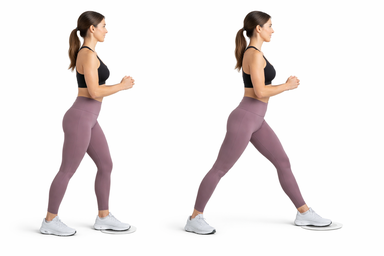
A single-leg glide that trains your glutes, quads, and balance as one foot slides away and back.
- Stand tall with weight on one leg and the other foot lightly on the floor.
- Bend your standing knee and glide the free foot back.
- Keep your chest up and your standing heel down.
- Drive through the standing foot to glide back to start.
- Finish your reps, then switch legs.
- Keep your hips square.
- Move with control.
- Letting the standing knee cave in.
- Pushing hard off the gliding foot.
Circuit A
Crossovers and backward control. Moderate-hard effort. Keep crossovers clean; avoid leaning at the waist.
How to
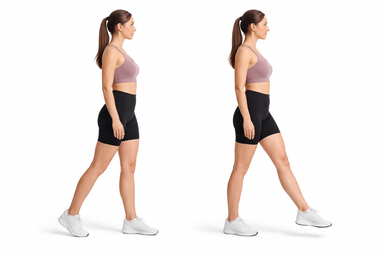
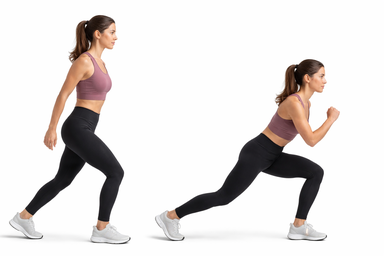
A forward step across your body that trains hip control, glutes, and balance.
- Stand tall with feet hip-width and arms relaxed.
- Step one foot forward and across your body.
- Bend both knees slightly as you lower with control.
- Push through the front foot to return to standing.
- Finish your reps, then switch legs.
- Keep your chest tall.
- Keep your hips facing forward.
- Letting your front knee cave inward.
- Twisting your torso as you step.
How to
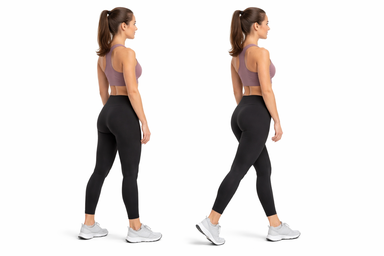
An alternating side-to-side skate step that trains your legs, glutes, and coordination.
- Stand tall with feet hip-width and knees soft.
- Step one foot back and across behind the other leg.
- Bend the front knee and keep your chest lifted.
- Push off the front foot and move to the other side.
- Alternate sides with control for the set.
- Keep your hips facing forward
- Land softly with bent knees
- Letting your front knee cave inward
- Twisting your hips as you step back
How to
A backward crossing step that trains your legs and glutes while challenging balance.
- Stand tall with feet hip-width apart and arms in front for balance.
- Step one foot back and across behind your other leg.
- Bend both knees and lower with control.
- Push through your front foot to stand back up.
- Repeat to the other side and keep alternating.
- Keep your chest tall
- Track your front knee over your toes
- Letting your front knee cave inward
- Twisting your hips as you step back
Circuit B
Turns and stops. Prioritize control: smooth entry edge, clear rotation, stable exit.
How to
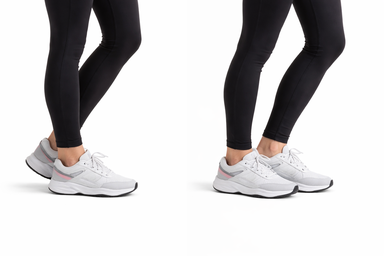
A quick footwork turn that trains coordination, hip control, and balance.
- Stand with feet hip-width apart and knees slightly bent.
- Open your right hip and step your right foot out to start the turn.
- Bring your left foot through so your body follows the new direction.
- Repeat the same move to the left, alternating sides each rep.
- Stay low with soft knees
- Turn from your hips
- Twisting your knees inward
- Rushing the turn and losing balance
How to
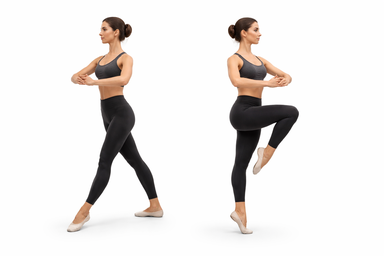
A controlled standing turn that trains footwork, balance, and rotational control.
- Stand tall with feet hip-width and arms relaxed.
- Step into the turn and pivot on the balls of your feet.
- Rotate your hips and shoulders together with control.
- Land softly with knees slightly bent and regain balance.
- Repeat for your reps, turning the assigned direction.
- Stay tall through the turn
- Keep your eyes level
- Twisting your knees while your feet stay planted
- Rushing the turn and losing balance
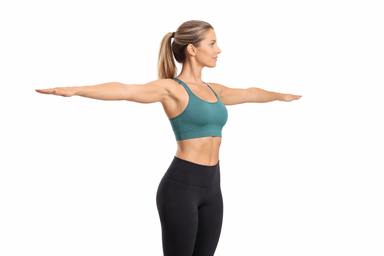
How to
A single-leg balance hold in a T shape that trains your glutes, hamstrings, and balance.
- Stand tall on one leg with a soft knee and arms out wide.
- Hinge at your hips as the other leg reaches straight back.
- Stop when your torso and back leg make a long T shape.
- Hold still and breathe, keeping your hips level.
- Stand back up with control, then switch sides.
- Keep your hips square
- Reach long from head to heel
- Rounding your back as you hinge
- Letting your hips open to the side
Cool-Down
Bring heart rate down with easy gliding and relaxed strokes. (2 minutes)
How to
A low-impact skating step that trains your legs and glutes while building coordination.
- Stand tall with feet hip-width apart and arms relaxed.
- Step diagonally forward to one side and bend that knee softly.
- Bring the other foot in lightly behind or beside you.
- Push off and step diagonally forward to the other side.
- Keep alternating sides with a smooth, steady rhythm.
- Stay low and controlled
- Land softly on each step
- Letting your knees collapse inward
- Twisting your upper body too much

Edge Control as the Foundation of Speed
Forward crossovers and three-turns demand deep inside-edge commitment from your glutes and hip abductors, while one-foot glides force single-leg proprioception that translates directly to jump landings and tight cornering. Every drill here targets the ankle-to-hip chain that separates controlled skating from reactive survival on the ice.

Why Ice Demands Asymmetrical Strength
Mohawk turns and backward crossovers expose the body's rotational asymmetry — your dominant push side develops differently than your follow side, and unchecked, this imbalance bleeds into your edges and turn consistency. T-stops isolate unilateral braking mechanics that reveal exactly where your weaker hip is compensating.

18 Minutes Built Around Skill Density
The skill block front-loads technical drills while neuromuscular fatigue is lowest, then layers in swizzles and crossovers to accumulate lactate tolerance without sacrificing movement quality. To personalize this session, identify your weakest turn direction during three-turns and deliberately add one extra rep on that side each session to close the bilateral gap.