
Clean & Minimal AI Powered Fitness Routines
Download AppIntermediate Figure Skating Session
On-ice skating skills: edges, turns, power, and a short step-sequence finisher.
Intermediate Figure Skating Session
On-ice skating skills: edges, turns, power, and a short step-sequence finisher.
Warm-Up
5 minutes. Build heat, find balance over the blade, and prepare ankles/knees for edges and turns.
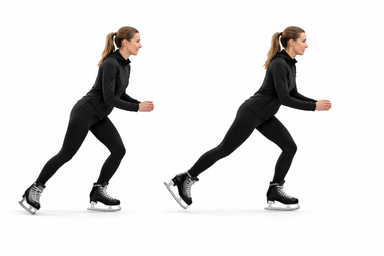
How to
A low-impact side-to-side skate that trains your legs, glutes, and balance.
- Stand tall with feet hip-width apart and knees soft.
- Step to one side and bend that knee slightly.
- Bring the other foot behind or beside you with a light tap.
- Push off and step to the other side.
- Keep alternating sides for the set.
- Stay low and controlled
- Keep your chest lifted
- Letting your knees cave inward
- Rushing the side-to-side steps
How to
A standing cardio drill that swivels both feet together to train calves, hips, and coordination.
- Stand with feet close, knees soft, and arms ready for balance.
- Stay light on your toes and swivel both feet to one side.
- Swivel back through center and to the other side.
- Keep alternating sides in a smooth, quick rhythm.
- Keep your chest facing forward
- Stay light on your toes
- Locking your knees as you swivel
- Letting your upper body twist too much
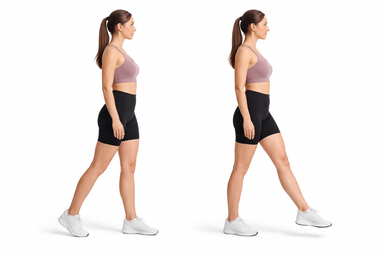
How to
A forward step across your body that trains hip control, glutes, and balance.
- Stand tall with feet hip-width and arms relaxed.
- Step one foot forward and across your body.
- Bend both knees slightly as you lower with control.
- Push through the front foot to return to standing.
- Finish your reps, then switch legs.
- Keep your chest tall.
- Keep your hips facing forward.
- Letting your front knee cave inward.
- Twisting your torso as you step.
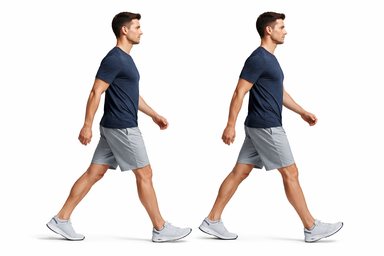
How to
A gentle side-to-side glide for active recovery. It keeps you moving at an easy pace.
- Stand tall with feet hip-width apart and knees soft.
- Shift your weight to one side and glide the other foot in.
- Glide back the other way with smooth, easy steps.
- Keep your breathing steady and your effort light.
- Continue for the set time, then slow to a stop.
- Stay relaxed and tall
- Move smoothly, not fast
- Bouncing hard through each step
- Holding your breath
Edge Quality Block
Alternate outside/inside edges. Aim for steady lean and quiet free leg.
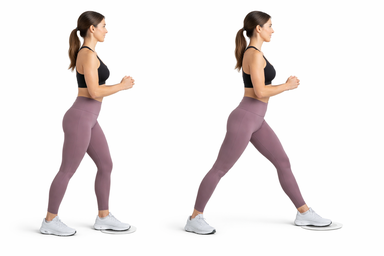
How to
A single-leg glide that trains your glutes, quads, and balance as one foot slides away and back.
- Stand tall with weight on one leg and the other foot lightly on the floor.
- Bend your standing knee and glide the free foot back.
- Keep your chest up and your standing heel down.
- Drive through the standing foot to glide back to start.
- Finish your reps, then switch legs.
- Keep your hips square.
- Move with control.
- Letting the standing knee cave in.
- Pushing hard off the gliding foot.
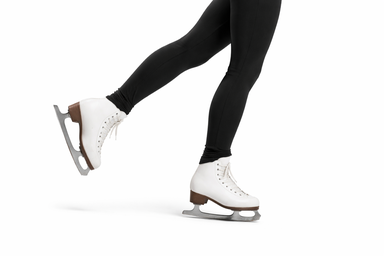
How to
A forward skating edge hold that builds outside-edge control, balance, and ankle strength.
- Glide forward with your knees soft and arms relaxed.
- Shift your weight onto one foot.
- Tip that skate to its outside edge and let it arc gently.
- Hold the edge, stay tall, and breathe steadily.
- Step down with control, then switch feet.
- Keep your hips level.
- Look where you want to go.
- Collapsing inward onto the inside edge.
- Letting the free foot pull you off balance.
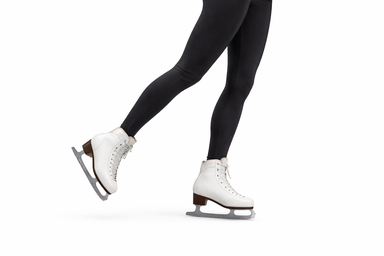
How to
A one-leg skating edge hold that trains ankle control, hip stability, and balance.
- Stand on one foot with your knee softly bent and the other foot lifted.
- Roll onto the inside edge and set your balance.
- Glide forward on that edge with your chest tall and hips level.
- Hold for the set time and breathe steadily.
- Step down with control, then switch legs.
- Keep your knee over your toes.
- Keep your hips square.
- Letting your knee collapse inward.
- Twisting your shoulders or dropping the free hip.
Turns Block
Do controlled entries and exits; reset between reps with an easy glide if needed.
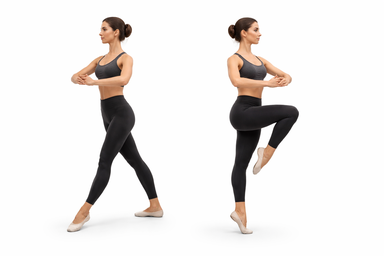
How to
A controlled standing turn that trains footwork, balance, and rotational control.
- Stand tall with feet hip-width and arms relaxed.
- Step into the turn and pivot on the balls of your feet.
- Rotate your hips and shoulders together with control.
- Land softly with knees slightly bent and regain balance.
- Repeat for your reps, turning the assigned direction.
- Stay tall through the turn
- Keep your eyes level
- Twisting your knees while your feet stay planted
- Rushing the turn and losing balance
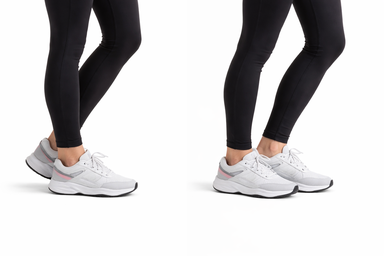
How to
A quick footwork turn that trains coordination, hip control, and balance.
- Stand with feet hip-width apart and knees slightly bent.
- Open your right hip and step your right foot out to start the turn.
- Bring your left foot through so your body follows the new direction.
- Repeat the same move to the left, alternating sides each rep.
- Stay low with soft knees
- Turn from your hips
- Twisting your knees inward
- Rushing the turn and losing balance
Power & Flow Block
Sustained crossovers. Focus on full extension and strong underpush.
How to
A forward step across your body that trains hip control, glutes, and balance.
- Stand tall with feet hip-width and arms relaxed.
- Step one foot forward and across your body.
- Bend both knees slightly as you lower with control.
- Push through the front foot to return to standing.
- Finish your reps, then switch legs.
- Keep your chest tall.
- Keep your hips facing forward.
- Letting your front knee cave inward.
- Twisting your torso as you step.
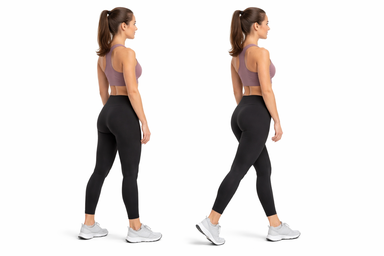
How to
A backward crossing step that trains your legs and glutes while challenging balance.
- Stand tall with feet hip-width apart and arms in front for balance.
- Step one foot back and across behind your other leg.
- Bend both knees and lower with control.
- Push through your front foot to stand back up.
- Repeat to the other side and keep alternating.
- Keep your chest tall
- Track your front knee over your toes
- Letting your front knee cave inward
- Twisting your hips as you step back
Cool-Down
3 minutes. Bring heart rate down and finish with controlled technical movement.
How to
A gentle side-to-side glide for active recovery. It keeps you moving at an easy pace.
- Stand tall with feet hip-width apart and knees soft.
- Shift your weight to one side and glide the other foot in.
- Glide back the other way with smooth, easy steps.
- Keep your breathing steady and your effort light.
- Continue for the set time, then slow to a stop.
- Stay relaxed and tall
- Move smoothly, not fast
- Bouncing hard through each step
- Holding your breath
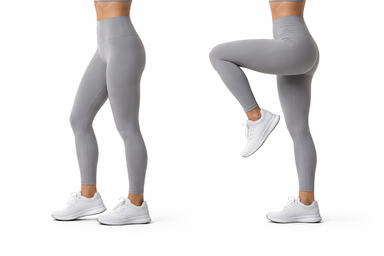
How to
A coordinated stepping pattern that trains cardio, footwork, and lower-body control.
- Stand tall with feet hip-width and space around you.
- Step through the pattern with light, controlled foot placements.
- Keep your chest up and let your arms move naturally.
- Return to the start at the end of the pattern, then repeat.
- Stay light on your feet
- Keep a steady rhythm
- Rushing the pattern and losing control
- Letting your knees cave inward

Edge Mastery Builds Every Element
Forward outside and inside edge holds directly train the hip abductors, adductors, and ankle stabilizers that govern every jump takeoff and landing. Three turns and Mohawks then layer rotational hip mobility onto that edge foundation, so your body learns to transfer weight precisely mid-arc rather than forcing transitions.

The Hidden Demand of Ice Time
Figure skating taxes the single-leg stance system relentlessly—your gluteus medius and tibialis anterior are firing continuously to hold a clean one-foot glide or backward crossover without hip drop. Fatigue in these stabilizers is what causes edge breaks and spin wobble, not lack of strength in the obvious sense.

Skill Density Over Volume at This Level
This 17-minute main block uses blocked practice—isolating edges before combining them in the step sequence—which accelerates motor pattern consolidation for intermediate skaters. To personalize, extend your weakest element by one extra pass each session; consistent asymmetry work on your non-dominant Mohawk side will unlock cleaner step-sequence flow faster than equal repetition.