
Clean & Minimal AI Powered Fitness Routines
Download AppPost-Op Balance & Coordination — 25 Minutes
A low-impact balance and coordination session to rebuild stability and confidence after surgery.
Post-Op Balance & Coordination — 25 Minutes
A low-impact balance and coordination session to rebuild stability and confidence after surgery.
Warm-Up
Gently raise temperature and wake up the ankles, hips, and core for balance work. 5 minutes.
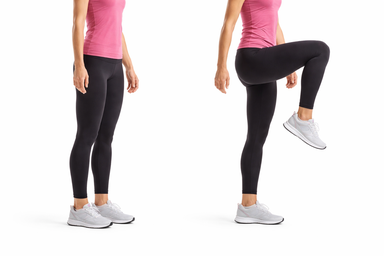
How to
A low-impact cardio move that warms up your legs and hips while raising your heart rate.
- Stand tall with your feet hip-width apart and arms at your sides.
- Lift one knee to hip height as you swing the opposite arm forward.
- Lower that foot, then lift the other knee and switch arms.
- Keep alternating sides at a steady pace.
- Slow down and plant both feet to finish.
- Stand tall with your chest up
- Land softly under your hips
- Leaning back as you lift your knees
- Stomping your feet on each step
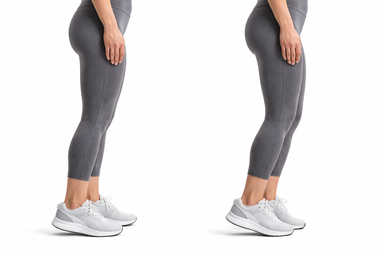
How to
A standing ankle rock that trains ankle mobility and balance.
- Stand tall with feet hip-width apart.
- Lift your toes, then rock back onto your heels.
- Lift your heels, then rock onto the balls of your feet.
- Keep rocking smoothly for your reps.
- Stay tall through your torso
- Move through your ankles, not your hips
- Leaning your upper body forward or back
- Letting your feet collapse inward
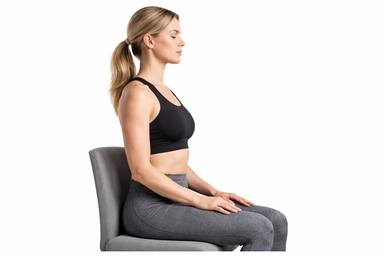
How to
A steady breathing pattern that trains control and helps you settle your breathing.
- Sit or stand tall with relaxed shoulders.
- Inhale through your nose for 4 counts.
- Hold your breath for 4 counts.
- Exhale slowly for 4 counts.
- Hold with your lungs empty for 4 counts, then repeat.
- Keep your face and jaw relaxed.
- Breathe smoothly and quietly.
- Rushing the counts.
- Tensing your shoulders or neck.
Circuit A
Focus on slow, controlled reps for stability and control. Keep a light touch on the wall/chair as needed.
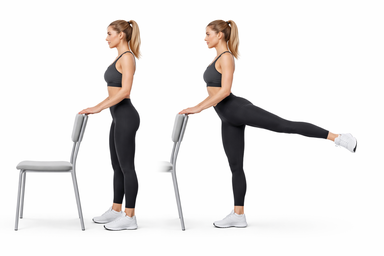
How to
A standing leg raise to the side that trains your outer hips and balance.
- Stand tall with one hand on a wall or chair for balance.
- Shift your weight onto one leg and brace your core.
- Lift the other leg out to the side without leaning your torso.
- Lower the leg with control to the start position.
- Finish your reps, then switch legs.
- Keep your toes facing forward.
- Stand tall through each rep.
- Leaning your torso to lift the leg.
- Turning your toes outward as you raise.
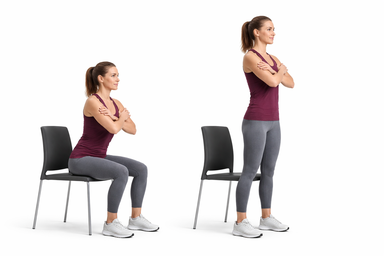
How to
A chair-based squat pattern that trains your thighs and glutes for standing strength.
- Sit near the front of a chair with feet flat and hip-width apart.
- Lean slightly forward and brace your core.
- Press through both feet and stand tall.
- Push your hips back and sit down with control.
- Keep your knees tracking over your toes
- Stand tall at the top
- Letting your knees cave inward
- Dropping hard onto the chair
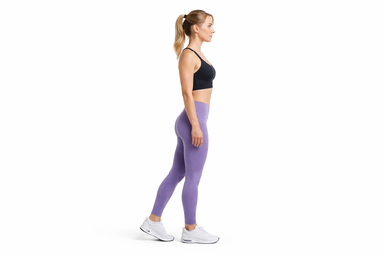
How to
A narrow heel-to-toe balance hold that trains steady posture and control.
- Stand tall near support if needed.
- Place one foot directly in front of the other, heel to toe.
- Keep your weight even and eyes forward.
- Hold the stance and breathe slowly.
- Stand tall through your head
- Keep your feet in one line
- Leaning your body to one side
- Looking down the whole time
Circuit B
Move with control for dynamic balance. If you wobble, slow down and shorten the step.
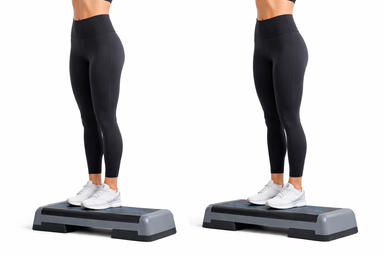
How to
Step side to side over an obstacle to train your legs, hips, and coordination.
- Stand beside a low step or line.
- Step over it sideways with one foot.
- Bring the other foot over, then step back.
- Keep alternating sides for your reps.
- Stay tall and brace your core
- Land softly and control each step
- Rushing and losing balance
- Twisting your torso as you step
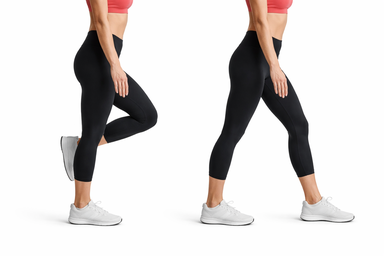
How to
A balance move where you reach to clock points. It trains control in your hips, legs, and core.
- Stand tall with feet hip-width apart and knees soft.
- Shift weight to one foot and reach the other foot to a clock point.
- Lightly tap the floor, then return to the start.
- Repeat to another clock point, moving with control.
- Alternate sides each rep until the set is done.
- Keep your chest tall
- Control the tap and return
- Letting your knee collapse inward
- Rushing through the reaches
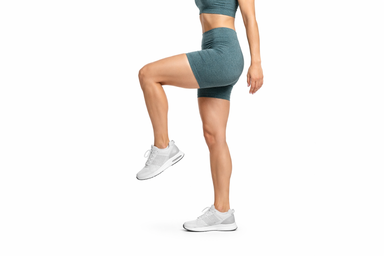
How to
A one-leg balance hold that trains foot, ankle, hip, and core control.
- Stand tall with your feet hip-width apart.
- Shift your weight onto one foot and lift the other foot off the floor.
- Hold steady and breathe slowly.
- Lower your foot with control.
- Finish your hold, then switch legs.
- Keep your hips level.
- Stand tall through your head.
- Leaning your body to one side.
- Letting your lifted foot touch down repeatedly.
Cool-Down
Downshift your breathing and reinforce steady posture before finishing. 3 minutes.
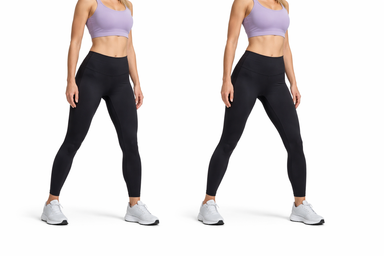
How to
A standing balance drill that shifts your weight side to side to warm up your hips, ankles, and legs.
- Stand tall with your feet hip-width apart and knees soft.
- Shift your weight slowly onto your right foot without lifting the other foot.
- Move back through center, then shift onto your left foot.
- Continue side to side with steady control.
- Keep your chest tall
- Move smoothly, not fast
- Locking your knees
- Leaning your torso instead of shifting your hips
How to
A steady breathing pattern that trains control and helps you settle your breathing.
- Sit or stand tall with relaxed shoulders.
- Inhale through your nose for 4 counts.
- Hold your breath for 4 counts.
- Exhale slowly for 4 counts.
- Hold with your lungs empty for 4 counts, then repeat.
- Keep your face and jaw relaxed.
- Breathe smoothly and quietly.
- Rushing the counts.
- Tensing your shoulders or neck.

Rebuilding the Proprioceptive Map
March in Place and Heel-to-Toe Rock reawaken mechanoreceptors in the foot and ankle that go dormant after surgery and immobilization. Single-Leg Stance and Clock Reach then challenge the hip stabilizers—glute medius, TFL, and deep rotators—to process that sensory input under real postural load.

Why Post-Op Balance Fails First
After surgery, the nervous system loses its precise joint position sense—proprioception—before strength does, which is why instability often feels disproportionate to muscle weakness. Tandem Stance and Standing Weight Shift directly retrain the cerebellum's postural correction loops, the same pathways disrupted by surgical trauma and bed rest.

Loading Confidence Before Loading Tissue
Sit to Stand earns its place here as the highest-demand exercise in the session, progressively stressing the quadriceps and hip extensors through a functional range without impact. Box Breathing in the cool-down isn't filler—it down-regulates cortisol, which at elevated post-op levels actively impairs tissue healing and motor learning. To personalize, reduce Single-Leg Stance hold time if compensa