
Clean & Minimal AI Powered Fitness Routines
Download AppIntermediate Horseback Riding Session
A 25-minute intermediate ride focused on position, balance, and gait transitions.
Intermediate Horseback Riding Session
A 25-minute intermediate ride focused on position, balance, and gait transitions.
Warm-Up
Settle the horse, check responsiveness, and establish a relaxed rhythm. 5 minutes.
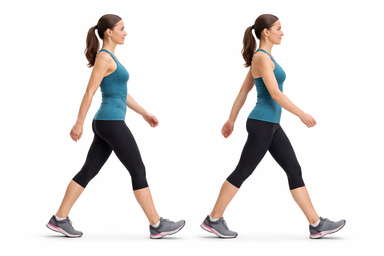
How to
A simple walking movement that trains your legs and builds steady full-body rhythm.
- Stand tall with your feet under your hips.
- Step forward with one foot and roll from heel to toe.
- Swing the opposite arm naturally as you step.
- Push off your back foot and step forward with the other foot.
- Keep alternating steps at a steady pace.
- Stand tall
- Let your arms swing naturally
- Looking down the whole time
- Taking steps that feel too long
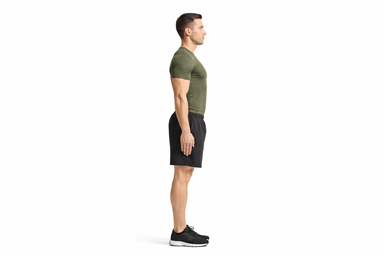
How to
A bilateral isometric hold that trains body control, posture, and steady tension.
- Stand with feet hip-width and knees soft.
- Brace your core and keep your chest lifted.
- Hold still with weight even on both feet.
- Breathe steadily until the hold time ends.
- Relax and stand tall.
- Keep weight even
- Breathe through the hold
- Holding your breath
- Shifting side to side
Main Work
Transitions, balance, and position work at trot and canter. 17 minutes.
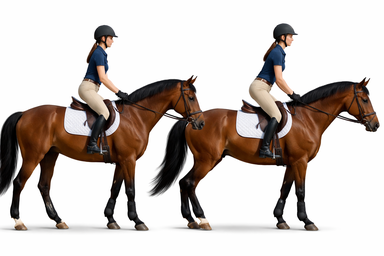
How to
A rhythmic alternating rise that trains your legs, glutes, and coordination.
- Stand tall with feet hip-width and a soft bend in your knees.
- Step one foot slightly forward and lower into a small split squat.
- Drive up through both feet as you bring your feet back under you.
- Switch the lead foot and repeat in a steady trot rhythm.
- Keep alternating sides for the set.
- Stay tall through your chest
- Land softly each rep
- Letting your knees cave inward
- Bouncing without control
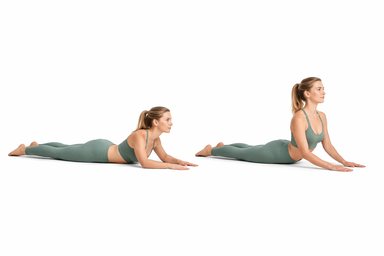
How to
A weaving movement drill that trains agility, coordination, and conditioning.
- Set markers in a line, or picture a winding path ahead.
- Move forward in an S pattern, weaving left and right.
- Take quick, controlled steps as you change direction.
- Continue to the end, then reset and repeat.
- Keep your chest up
- Push off the outside foot
- Crossing your feet as you weave
- Letting your knees cave inward
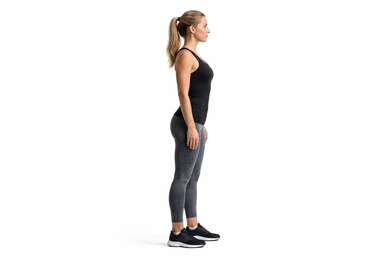
How to
A hands-and-knees balance hold that trains core stability, glutes, and shoulders.
- Start on hands and knees with your back flat.
- Reach one arm forward and the opposite leg back.
- Hold steady and breathe without twisting your hips.
- Lower with control, then switch sides.
- Keep your hips square.
- Reach long from hand to heel.
- Arching your lower back during the hold.
- Letting your hips rotate open.
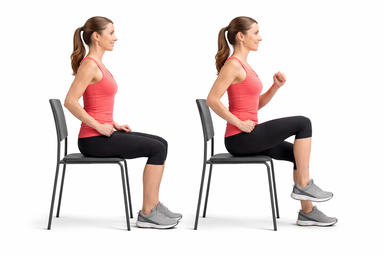
How to
A seated march that alternates legs to raise your heart rate and train your hips and core.
- Sit tall near the front of a chair with both feet flat.
- Brace lightly and hold the chair or swing your arms.
- Lift one knee, lower it, then lift the other knee.
- Keep alternating at a steady, controlled pace.
- Finish your time, then place both feet down.
- Sit tall through your chest.
- Land each foot softly.
- Leaning back as your knees lift.
- Slapping your feet down hard.
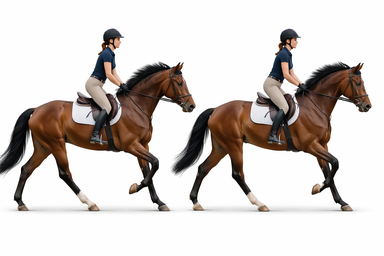
How to
A hands-and-feet crawl that trains your shoulders, core, and hips with a rhythmic alternating pattern.
- Start on hands and feet with knees bent and hips low.
- Step one hand forward as the opposite foot steps forward.
- Push through the floor and keep moving in a smooth rhythm.
- Alternate sides with each step for the set.
- Turn around or step back to your start position when done.
- Keep your core braced
- Move light and controlled
- Letting your hips swing side to side
- Stomping your feet or rushing the pattern
How to
A simple walking movement that trains your legs and builds steady full-body rhythm.
- Stand tall with your feet under your hips.
- Step forward with one foot and roll from heel to toe.
- Swing the opposite arm naturally as you step.
- Push off your back foot and step forward with the other foot.
- Keep alternating steps at a steady pace.
- Stand tall
- Let your arms swing naturally
- Looking down the whole time
- Taking steps that feel too long
Cool-Down
Return to a relaxed walk and let the horse stretch down. 3 minutes.
How to
A simple walking movement that trains your legs and builds steady full-body rhythm.
- Stand tall with your feet under your hips.
- Step forward with one foot and roll from heel to toe.
- Swing the opposite arm naturally as you step.
- Push off your back foot and step forward with the other foot.
- Keep alternating steps at a steady pace.
- Stand tall
- Let your arms swing naturally
- Looking down the whole time
- Taking steps that feel too long

Why Transitions Anchor Every Gait
Walk-halt-trot-canter transitions demand rapid co-contraction of your deep stabilizers—transverse abdominis, multifidus, and hip flexors—to absorb and redirect the horse's momentum without bracing. Each transition in this session trains neuromuscular timing, not just strength, building the invisible coordination that separates intermediate riders from beginners.

The Postural Tax of the Sitting Trot
Sitting trot is the discipline's great equalizer: your lumbar spine must dissociate from your pelvis while your adductors maintain consistent leg contact through each stride cycle. Riders who struggle here almost always have asymmetrical hip mobility or an overactive iliopsoas—two issues the serpentine pattern directly exposes by forcing equal suppleness through both directions.

Building Symmetry Through the Serpentine
The serpentine isn't decorative—it's a progressive overload tool that cycles your body through repeated lateral weight shifts, testing whether your two-point position holds structural integrity under directional stress. Start by counting strides between each loop; if your posting rhythm breaks before your horse's does, that's your adaptation target for the next session.