
Clean & Minimal AI Powered Fitness Routines
Download AppIntermediate Dizziness With Neck Movement
A paced vestibular + neck mobility session to reduce dizziness sensitivity during head/neck motion.
Intermediate Dizziness With Neck Movement
A paced vestibular + neck mobility session to reduce dizziness sensitivity during head/neck motion.
Warm-Up
Settle symptoms and improve posture. Gentle breathing and neck/shoulder positioning to reduce guarding before vestibular drills.
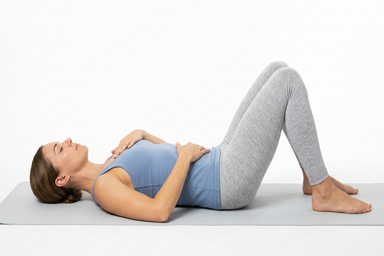
How to
A slow breathing drill that trains relaxed belly breathing and helps you control your breath.
- Lie on your back or sit tall with one hand on your belly.
- Inhale through your nose and let your belly rise.
- Exhale slowly and let your belly fall.
- Keep your chest and shoulders quiet.
- Continue for the set time with smooth breaths.
- Breathe low into your belly
- Keep your shoulders relaxed
- Shrugging your shoulders as you inhale
- Forcing the breath or holding tension
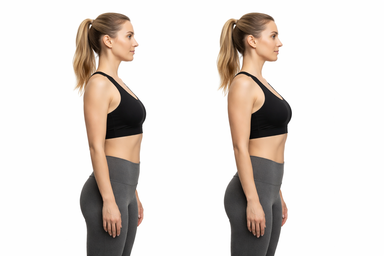
How to
A small shoulder blade squeeze that trains your upper back and shoulder control.
- Stand or sit tall with your arms relaxed by your sides.
- Pull your shoulder blades back and slightly down.
- Pause briefly while keeping your ribs stacked.
- Release with control to the start position.
- Repeat for the set.
- Keep your neck relaxed
- Move from your shoulder blades
- Shrugging your shoulders toward your ears
- Arching your lower back to create the squeeze
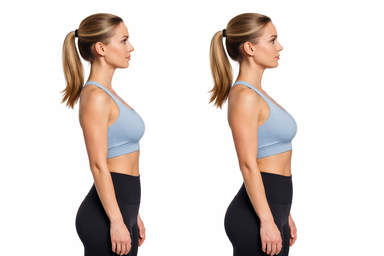
How to
A small neck position hold that trains the front of your neck and helps control head position.
- Sit or stand tall with your eyes looking straight ahead.
- Gently slide your chin straight back, like making a double chin.
- Keep your head level and your jaw relaxed.
- Hold the tuck and breathe slowly.
- Release to neutral, then repeat for the set.
- Move straight back, not down.
- Keep your shoulders relaxed.
- Tilting your head up or down.
- Forcing the tuck or clenching your jaw.
Circuit A
Keep symptoms in the mild-to-moderate range. Use a wall/counter for support as needed.
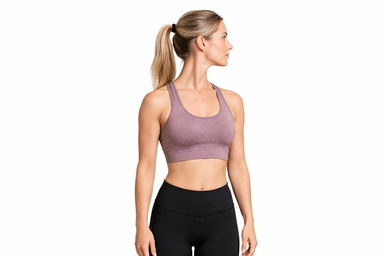
How to
A gentle neck rotation that moves your head side to side and trains neck control.
- Sit or stand tall with your shoulders relaxed.
- Slowly turn your head to look over one shoulder.
- Pause briefly, then return to center.
- Turn to the other side with the same control.
- Keep alternating sides for your reps.
- Move slowly and stay tall.
- Keep your shoulders relaxed.
- Forcing the turn past a comfortable range.
- Letting your chin lift or drop as you turn.
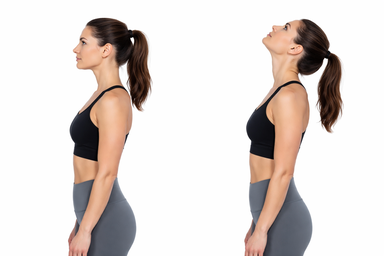
How to
A gentle neck movement that bends and extends your head to train neck control and mobility.
- Sit or stand tall with your shoulders relaxed.
- Slowly tuck your chin and lower your gaze toward your chest.
- Lift your head back to center, then look up slightly.
- Return to center and repeat with control.
- Move slowly and stay relaxed
- Keep your shoulders down
- Forcing your neck past a comfortable range
- Letting your shoulders rise as you move
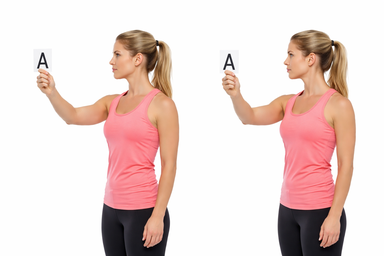
How to
A gaze drill that trains eye focus while your head moves. Do it seated or standing tall.
- Sit or stand tall and hold a small target at eye level.
- Fix your eyes on the target and keep it in focus.
- Turn your head side to side in a small, steady range.
- Keep your body still and breathe as you continue for time.
- Move only your head
- Keep the target clear
- Letting your eyes drift off the target
- Moving so fast the target blurs
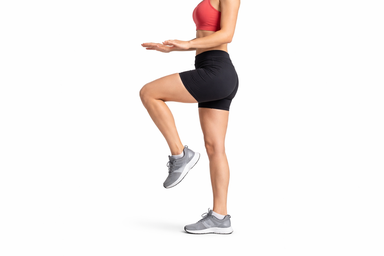
How to
A simple standing hold that trains balance and ankle, hip, and core control.
- Stand tall with feet hip-width apart and arms relaxed.
- Shift your weight onto the working foot.
- Lift the other foot slightly, or keep toes down for support.
- Hold steady and breathe for the set time.
- Lower your foot, then switch sides if needed.
- Keep your hips level.
- Stand tall through your crown.
- Leaning your trunk to one side.
- Locking your knee hard.
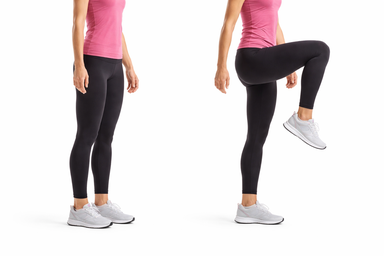
How to
A low-impact cardio move that warms up your legs and hips while raising your heart rate.
- Stand tall with your feet hip-width apart and arms at your sides.
- Lift one knee to hip height as you swing the opposite arm forward.
- Lower that foot, then lift the other knee and switch arms.
- Keep alternating sides at a steady pace.
- Slow down and plant both feet to finish.
- Stand tall with your chest up
- Land softly under your hips
- Leaning back as you lift your knees
- Stomping your feet on each step
Circuit B
Short exposure and recovery. Sit if symptoms spike; resume when they settle.
How to
A gaze drill that trains eye focus while your head moves. Do it seated or standing tall.
- Sit or stand tall and hold a small target at eye level.
- Fix your eyes on the target and keep it in focus.
- Turn your head side to side in a small, steady range.
- Keep your body still and breathe as you continue for time.
- Move only your head
- Keep the target clear
- Letting your eyes drift off the target
- Moving so fast the target blurs
How to
A gentle neck rotation that moves your head side to side and trains neck control.
- Sit or stand tall with your shoulders relaxed.
- Slowly turn your head to look over one shoulder.
- Pause briefly, then return to center.
- Turn to the other side with the same control.
- Keep alternating sides for your reps.
- Move slowly and stay tall.
- Keep your shoulders relaxed.
- Forcing the turn past a comfortable range.
- Letting your chin lift or drop as you turn.
How to
A simple standing hold that trains balance and ankle, hip, and core control.
- Stand tall with feet hip-width apart and arms relaxed.
- Shift your weight onto the working foot.
- Lift the other foot slightly, or keep toes down for support.
- Hold steady and breathe for the set time.
- Lower your foot, then switch sides if needed.
- Keep your hips level.
- Stand tall through your crown.
- Leaning your trunk to one side.
- Locking your knee hard.
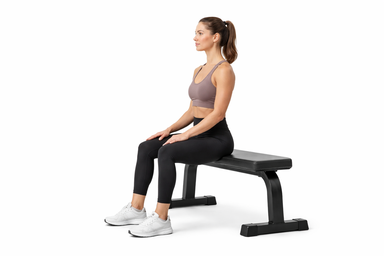
How to
A seated recovery position for resting between exercises and focusing on steady breathing.
- Sit on a bench, chair, or floor with your feet planted.
- Rest your hands on your thighs or at your sides.
- Sit tall and relax your shoulders.
- Hold the position and breathe slowly until ready to continue.
- Keep your chest open
- Relax your jaw and shoulders
- Slouching heavily through your back
- Holding your breath
Cool-Down
Down-regulate and stretch. Help symptoms settle and reduce neck/shoulder tension after vestibular exposure.
How to
A slow breathing drill that trains relaxed belly breathing and helps you control your breath.
- Lie on your back or sit tall with one hand on your belly.
- Inhale through your nose and let your belly rise.
- Exhale slowly and let your belly fall.
- Keep your chest and shoulders quiet.
- Continue for the set time with smooth breaths.
- Breathe low into your belly
- Keep your shoulders relaxed
- Shrugging your shoulders as you inhale
- Forcing the breath or holding tension
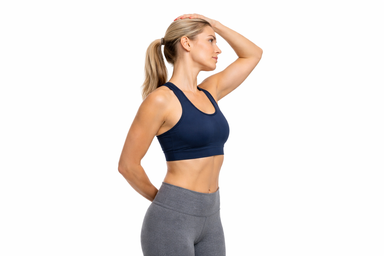
How to
A gentle neck stretch for one upper trapezius at a time. Hold it and breathe.
- Sit or stand tall with your shoulders relaxed.
- Hold a chair with the hand on the side you will stretch.
- Tilt your ear away from that shoulder until you feel a gentle stretch.
- Add light pressure with your other hand, if needed.
- Hold and breathe slowly, then switch sides.
- Keep both shoulders down.
- Use gentle pressure only.
- Pulling your head hard with your hand.
- Lifting the shoulder you are stretching.
How to
A small neck position hold that trains the front of your neck and helps control head position.
- Sit or stand tall with your eyes looking straight ahead.
- Gently slide your chin straight back, like making a double chin.
- Keep your head level and your jaw relaxed.
- Hold the tuck and breathe slowly.
- Release to neutral, then repeat for the set.
- Move straight back, not down.
- Keep your shoulders relaxed.
- Tilting your head up or down.
- Forcing the tuck or clenching your jaw.

Cervical Alignment Before Vestibular Load
Chin tucks and scapular retractions prime deep cervical flexors and mid-trapezius before any rotational demand, reducing aberrant proprioceptive signals that amplify dizziness. Forward head posture compresses upper cervical joints where vestibular-cervical reflexes originate — correcting this first makes every subsequent movement safer and more effective.

Why Head Motion Triggers Your Symptoms
Cervicogenic and vestibular dizziness share a common trigger: the brain receiving mismatched signals from the inner ear, eyes, and cervical mechanoreceptors during neck movement. Slow cervical rotation and small-range flexion/extension deliberately expose your system to that mismatch at a controlled dose, training the brainstem to recalibrate rather than react.

Habituation Load, Not Avoidance
This session follows a graded exposure model — each exercise increases vestibular demand only after postural stability is established, mirroring vestibular rehabilitation principles used in clinical practice. Gaze stabilization via VOR x1 is your progression marker: when it produces minimal symptoms, increase head speed before adding VOR x2 to continue adaptation.