
Clean & Minimal AI Powered Fitness Routines
Download App25-Minute Musician Performer Routine
Posture, breath control, and upper-body mobility to support longer practice and performance.
25-Minute Musician Performer Routine
Posture, breath control, and upper-body mobility to support longer practice and performance.
Warm-Up
Open the thoracic spine, wake up scapular control, and set breath mechanics. Focus on mobility and breath work.
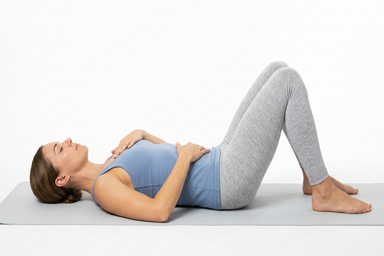
How to
A slow breathing drill that trains relaxed belly breathing and helps you control your breath.
- Lie on your back or sit tall with one hand on your belly.
- Inhale through your nose and let your belly rise.
- Exhale slowly and let your belly fall.
- Keep your chest and shoulders quiet.
- Continue for the set time with smooth breaths.
- Breathe low into your belly
- Keep your shoulders relaxed
- Shrugging your shoulders as you inhale
- Forcing the breath or holding tension
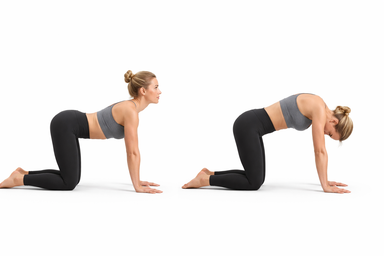
How to
A gentle spine mobility move that alternates rounding and arching your back on hands and knees.
- Start on hands and knees with wrists under shoulders and knees under hips.
- Inhale and drop your belly as you lift your chest and tailbone.
- Exhale and round your back, tucking your chin and tailbone.
- Move slowly between both positions with your breath.
- Move one vertebra at a time.
- Keep your shoulders away from your ears.
- Forcing your neck up or down.
- Rushing through the movement.
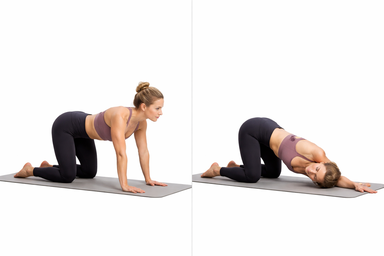
How to
A floor stretch that opens your upper back and shoulder while you hold one side at a time.
- Start on all fours with your hands under shoulders and knees under hips.
- Slide one arm under your chest, palm up, and lower your shoulder toward the floor.
- Rest your head down if comfortable, and keep your hips over your knees.
- Hold the stretch and breathe slowly.
- Press into your top hand to return to all fours, then switch sides.
- Keep your hips stacked over your knees
- Breathe into your upper back
- Letting your hips drift far to one side
- Forcing your shoulder lower than comfortable
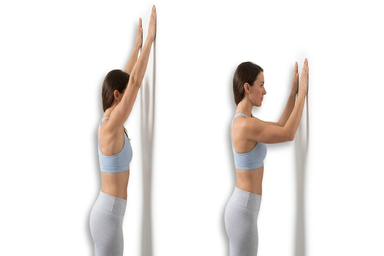
How to
A wall-based shoulder move that trains shoulder control and upper-back posture.
- Stand with your back to a wall and feet a small step out.
- Press your head, upper back, and hips gently into the wall.
- Place your arms on the wall in a goalpost shape.
- Slide your arms up the wall as far as you can control.
- Slide back down to the start and repeat.
- Keep your ribs down.
- Move slowly and stay in control.
- Arching your lower back to reach higher.
- Shrugging your shoulders toward your ears.
Circuit A
Maintain tall posture; avoid shrugging. Rest briefly between rounds.
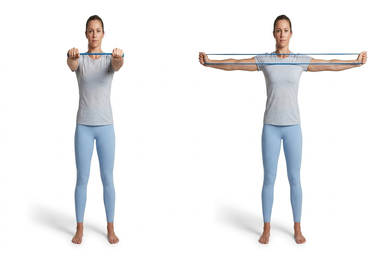
How to
A band upper-back move that trains your rear shoulders and mid-back.
- Stand tall and hold a band at chest height with both hands.
- Start with arms straight and hands shoulder-width apart.
- Pull the band apart until your hands move out to your sides.
- Pause briefly with shoulder blades squeezed together.
- Control the band back to the start and repeat.
- Keep your ribs down.
- Move from your shoulders, not your lower back.
- Shrugging your shoulders toward your ears.
- Arching your back to finish the pull.
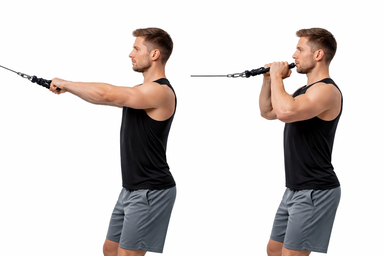
How to
A pulling exercise that trains your upper back and rear shoulders.
- Set a cable or band at face height and hold the handles with both hands.
- Step back with arms straight and palms facing in.
- Pull the handles toward your face, elbows high and wide.
- Squeeze your shoulder blades, then slowly extend your arms.
- Repeat for all reps.
- Keep your ribs down
- Pull elbows back, not down
- Shrugging your shoulders toward your ears
- Leaning back to move the weight
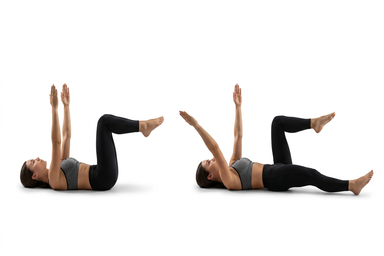
How to
A core move on your back that trains control while you move opposite arm and leg.
- Lie on your back with arms up and knees bent over hips.
- Press your lower back gently toward the floor.
- Lower one arm and the opposite leg with control.
- Return to the start, then repeat on the other side.
- Keep alternating sides for each rep.
- Move slow and stay braced
- Keep your ribs down
- Letting your lower back arch
- Rushing through the reps
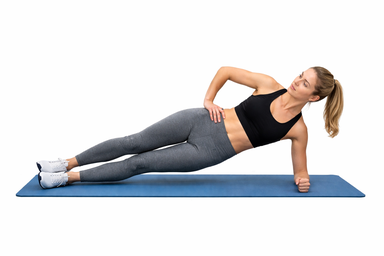
How to
A side hold that trains your obliques, hips, and shoulder stability.
- Lie on one side with your elbow under your shoulder and legs stacked.
- Lift your hips until your body forms a straight line.
- Hold the position and breathe steadily.
- Lower your hips with control.
- Finish your hold, then switch sides.
- Keep your hips stacked
- Press the floor away
- Letting your hips sag
- Rolling your chest toward the floor
Circuit B
Use light load; move through full range without pain. Keep forearm supported on thigh or bench. Focus on wrist and forearm work.
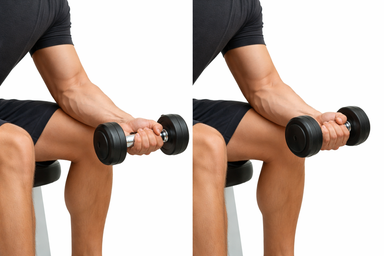
How to
A single-arm wrist curl that trains your forearm flexors and grip control.
- Sit and rest one forearm on your thigh, palm up and wrist past your knee.
- Hold a light weight with your working hand.
- Curl your wrist up while keeping your forearm still.
- Lower slowly until your wrist is straight or slightly extended.
- Finish your reps, then switch sides.
- Move only at the wrist.
- Keep your forearm planted.
- Lifting your forearm off your thigh.
- Swinging the weight instead of controlling it.
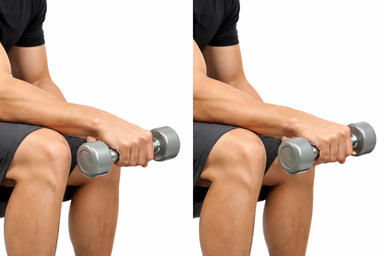
How to
A forearm movement that trains wrist extensors and helps you control wrist motion.
- Sit or stand with both forearms supported, palms facing down.
- Let your wrists bend down with control.
- Lift the backs of your hands up as far as comfortable.
- Lower back to the start and repeat.
- Move only at your wrists
- Keep your forearms still
- Lifting your forearms off the support
- Rushing through the lowering phase
Cool-Down
Downshift tension in common musician/performance areas: neck, pecs, and shoulders.
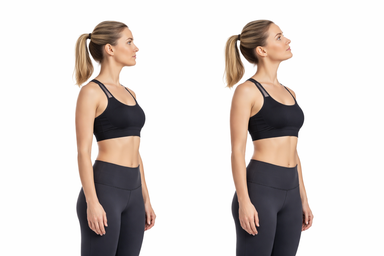
How to
A gentle side-bend stretch for the side of your neck, held still while you breathe.
- Sit or stand tall with your shoulders relaxed.
- Let your right ear move toward your right shoulder.
- Hold the stretch and breathe slowly.
- Return to center, then switch sides.
- Keep both shoulders down.
- Move slowly and gently.
- Lifting the shoulder toward your ear.
- Forcing your head into the stretch.
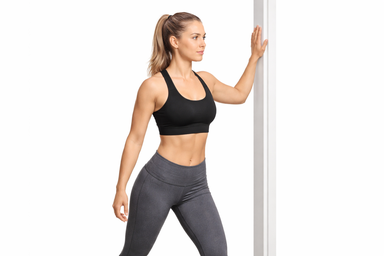
How to
A doorway hold that stretches your chest and front shoulders.
- Stand in a doorway with forearms on the frame at shoulder height.
- Step one foot forward until you feel a gentle chest stretch.
- Hold the position and breathe slowly.
- Step back to release the stretch.
- Keep your ribs down
- Relax your neck and shoulders
- Leaning your head forward
- Pushing into sharp pain

Scapular Control Behind Every Note
Wall Slides and Band Pull-Aparts directly train lower trapezius and serratus anterior — the muscles that stabilize your shoulder blade during sustained bow arm or keyboard position. Face Pulls reinforce posterior rotator cuff integrity, countering the chronic internal rotation that builds from hours of instrument-forward posture.

The Performer's Postural Debt
Every hour of practice accumulates compressive load on the cervical spine and shortens the pec minor, pulling the thorax into the kyphotic collapse that kills breath capacity and projection. Thread-the-Needle targets thoracic rotation specifically — the segment most locked in instrumentalists — while the Doorway Chest Stretch reclaims the anterior chain length lost to music stand posture.

Breath as Foundation, Core as Frame
Diaphragmatic Breathing placed at the start isn't a warmup formality — it resets intra-abdominal pressure patterning before the Dead Bug and Side Plank demand it under load. Sequence these progressively: add a 2-second breath hold at full Dead Bug extension to train the brace that supports dynamic phrasing and stage endurance.