
Clean & Minimal AI Powered Fitness Routines
Download AppIntermediate Parkour Session
A 25-minute intermediate parkour routine focused on landing mechanics, vaults, and precision work.
Intermediate Parkour Session
A 25-minute intermediate parkour routine focused on landing mechanics, vaults, and precision work.
Warm-Up
6 minutes. Raise temperature, prep ankles/wrists/shoulders for impact and vaulting.
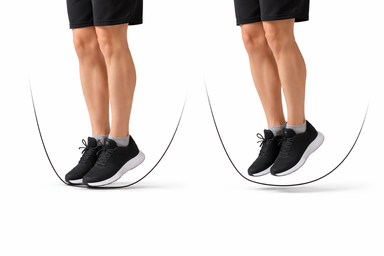
How to
A light bouncing cardio move that trains rhythm, calves, and coordination.
- Stand tall with the rope behind your heels and handles at your sides.
- Turn the rope with small wrist circles.
- Hop lightly as the rope passes under your feet.
- Land softly on the balls of your feet and keep a steady rhythm.
- Stop the rope and step out when your set is done.
- Stay tall and relaxed
- Keep jumps low
- Swinging from your shoulders
- Jumping too high or landing heavy
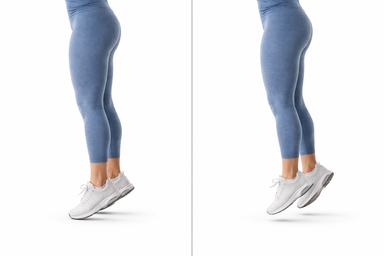
How to
Small, quick hops on both feet that train your calves, ankles, and foot control.
- Stand tall with feet hip-width apart and knees slightly bent.
- Rise onto the balls of your feet.
- Hop lightly in place using mostly your ankles.
- Land softly on the balls of your feet and repeat.
- Keep hops small and quick.
- Stay tall through your torso.
- Landing hard on your heels.
- Bending your knees deeply on each hop.
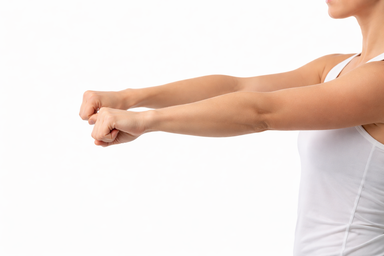
How to
A gentle wrist drill that moves both wrists through flexion, extension, and circles.
- Stand or sit tall and hold both arms in front of you.
- Open your hands and slowly bend your wrists up and down.
- Make small circles with both wrists in one direction.
- Reverse the circles and keep the motion smooth.
- Relax your hands and repeat for the planned time.
- Move slowly and stay relaxed
- Use a comfortable range
- Forcing past a comfortable range
- Shrugging your shoulders as you move
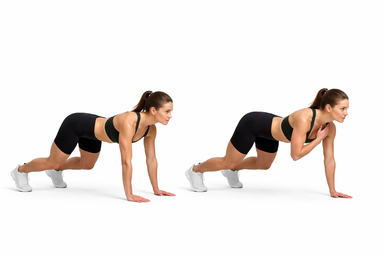
How to
A hands-and-knees core move that trains shoulder stability and control as you tap each shoulder.
- Start on all fours with hands under shoulders and knees under hips.
- Brace your core and keep your back flat.
- Lift one hand and tap the opposite shoulder.
- Place it back under your shoulder, then alternate sides.
- Keep alternating for your reps.
- Keep your hips still
- Press the floor away
- Rocking your hips side to side
- Letting your lower back sag
Circuit A
Precision and landings. Crisp takeoffs and quiet landings. Reset between reps if needed.
How to
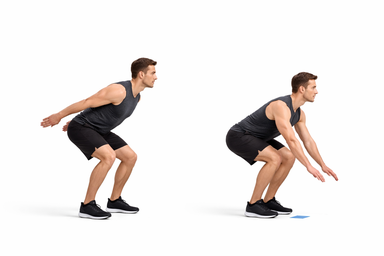
A two-foot jump to a target that trains leg power, coordination, and landing control.
- Stand with feet hip-width and pick a clear landing target.
- Bend your knees and swing your arms back.
- Jump with both feet toward the target.
- Land softly with knees bent and chest up.
- Step back and repeat for your reps.
- Land quietly
- Keep knees tracking over toes
- Landing with stiff legs
- Letting your knees cave inward
How to
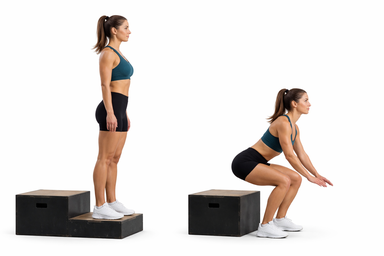
A landing drill that trains soft, stable landings with both feet and good lower-body control.
- Stand tall with feet hip-width apart and arms ready.
- Quickly drop into a small jump or step off a low height.
- Land on both feet with knees bent and hips back.
- Pause briefly to show control, then stand tall and repeat.
- Land softly and quietly.
- Keep knees tracking over toes.
- Landing with stiff knees.
- Letting your knees cave inward.
How to
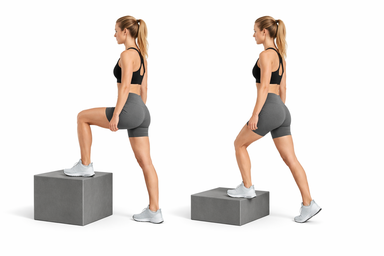
A controlled step-down from a box that trains your quads, glutes, and balance on one leg.
- Stand on a box with one foot, other foot hanging off the edge.
- Keep your chest tall and bend your standing knee slowly.
- Lower until your free heel lightly taps the floor.
- Drive through your standing foot to return to the box.
- Finish your reps, then switch legs.
- Keep your knee tracking over your toes.
- Move slowly and stay balanced.
- Dropping quickly to the floor.
- Letting your knee cave inward.
How to
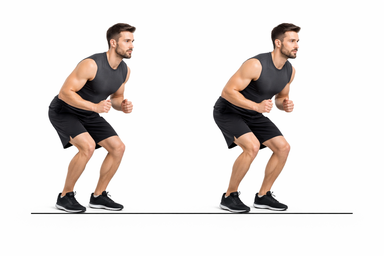
A side-to-side jump that trains your legs and hips while raising your heart rate.
- Stand tall with feet hip-width apart and knees slightly bent.
- Push off both feet and hop to one side.
- Land softly on both feet with knees bent.
- Hop back the other way and keep a steady rhythm.
- Land quietly
- Keep your chest up
- Letting your knees cave inward
- Landing stiff-legged
Circuit B
Vault technique. Use a low, stable obstacle. Focus on hand placement and hip drive.
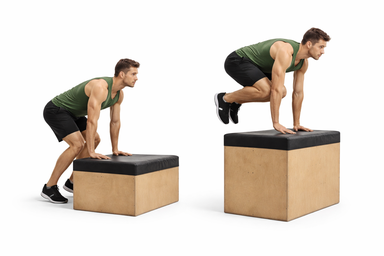
How to
A two-foot vault drill that trains coordination, upper-body support, and explosive knee tuck.
- Stand a few steps from a low obstacle with feet hip-width apart.
- Run or hop in, then place both hands firmly on the obstacle.
- Push through your hands and tuck both knees toward your chest.
- Pass your feet between your hands and over the obstacle.
- Land softly on both feet and continue forward with control.
- Push the obstacle away
- Tuck your knees high
- Letting your feet clip the obstacle
- Collapsing your shoulders as you plant
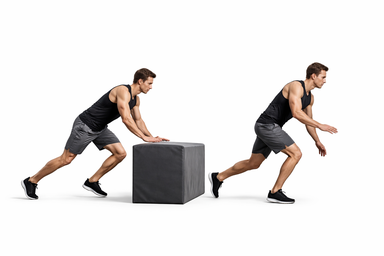
How to
A parkour-style vault over a low obstacle that trains coordination, speed, and full-body power.
- Stand a few steps from a low, stable obstacle with room to land.
- Jog in and plant one hand on top as your outside foot pushes off.
- Lift your hips and swing your legs to the side over the obstacle.
- Land softly past the obstacle and keep moving under control.
- Keep your chest moving forward.
- Use the hand for support, not a stop.
- Planting your hand too far forward and stalling.
- Landing stiff or too close to the obstacle.
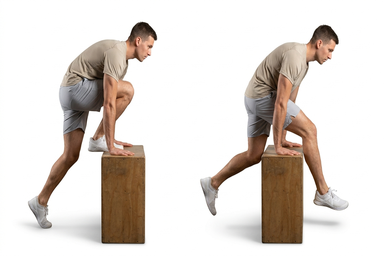
How to
A basic vault over an obstacle that trains coordination, core control, and upper-body support.
- Stand beside a stable obstacle with your vault hand ready on top.
- Place that hand on the obstacle and step the opposite foot onto it.
- Push through your hand and foot as you swing your free leg through.
- Land softly on the far side and keep moving under control.
- Finish your reps, then switch sides.
- Keep your chest up
- Press firmly through your hand
- Rushing at an unstable obstacle
- Collapsing your support shoulder
Flow Block
Control under fatigue. Move continuously with control: crawl, hang, and crouch travel. Keep shoulders active in hangs.
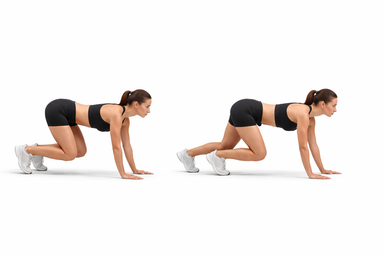
How to
A backward crawl on all fours that trains your core, shoulders, hips, and coordination.
- Start on all fours with hands under shoulders and knees under hips.
- Brace your core and keep your back flat.
- Step one hand and the opposite knee back together.
- Alternate sides as you crawl backward with control.
- Finish the distance, then pause and reset on all fours.
- Move opposite hand and knee together.
- Keep your hips low and steady.
- Letting your hips sway side to side.
- Rushing and losing your hand-knee rhythm.
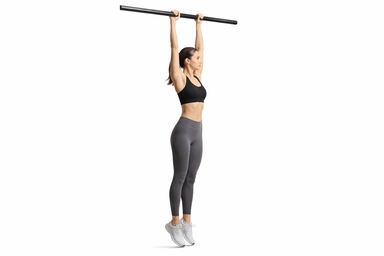
How to
A dead hang from a bar that trains your grip, shoulders, and upper back.
- Grip the bar and hang with straight arms.
- Keep your body long and your ribs down.
- Hold still and breathe slowly.
- Let your shoulders stay active.
- Step down when you are done.
- Keep a firm grip
- Stay long through your body
- Shrugging up into your shoulders
- Swinging or kicking to keep hanging
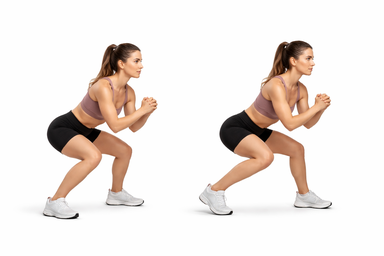
How to
A low walking squat that trains your quads, glutes, and hips while keeping your legs under tension.
- Stand with feet about hip-width apart and bend into a low crouch.
- Keep your chest up and brace your core.
- Take small steps forward, staying low the whole time.
- Continue for the set distance or time, then stand tall.
- Stay low and controlled
- Keep knees tracking over toes
- Standing up between steps
- Letting your knees cave inward
Cool-Down
2 minutes. Downshift and restore calves, wrists, and back.
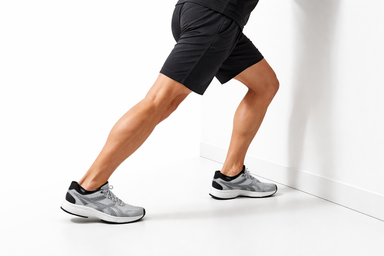
How to
A standing calf stretch that targets the back of your lower leg with a steady hold.
- Stand facing a wall and place your hands on it.
- Step one foot back and keep that heel on the floor.
- Bend your front knee until you feel a calf stretch.
- Hold and breathe slowly without bouncing.
- Finish the hold, then switch legs.
- Keep your back heel down
- Point both toes forward
- Bouncing in the stretch
- Letting the back heel lift
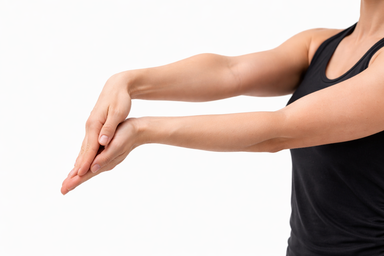
How to
A forearm stretch that targets the wrist flexors on one arm at a time.
- Extend one arm in front of you, palm up.
- Keep your elbow straight and gently pull your fingers back.
- Hold the stretch and breathe slowly.
- Release gently, then switch sides.
- Keep your shoulder relaxed
- Use gentle pressure
- Bending your elbow
- Pulling into sharp pain
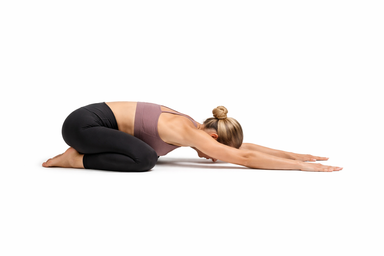
How to
A kneeling rest pose that gently stretches your back, hips, and shoulders.
- Kneel on the floor with your big toes together and knees apart.
- Sit your hips back toward your heels.
- Fold forward and reach your arms in front of you.
- Rest your forehead down and let your chest sink between your thighs.
- Hold the position and breathe slowly.
- Relax your shoulders
- Breathe into your back
- Forcing your hips down
- Holding your breath

Deceleration Loads Your Joints, Not Speed
Drop Landings and Box Step-Downs specifically train the eccentric capacity of your quads, glutes, and soleus — the muscles that absorb ground reaction forces during parkour impacts. Precision Jumps then demand that same deceleration control with spatial accuracy, training your nervous system to stick unpredictable landing zones under fatigue.

Parkour Punishes Weak Wrists and Ankles First
Vaulting disciplines place repetitive compressive and shear stress on wrist extensors and ankle stabilizers that most athletes never specifically train. Ankle Hops, Wrist Mobility, and the Wrist Flexor Stretch in this session directly address the two most common overuse failure points in traceurs, keeping your contact points durable across high-volume training blocks.

Vault Sequencing Builds Skill, Not Just Fitness
Kong, Speed, and Safety Vaults are ordered by increasing reactive demand — Kong requires deliberate hip flexion timing, Speed Vault adds rotational momentum, and Safety Vault trains controlled single-arm weight transfer. Backward Bear Crawl and Lateral Hops between vault sets maintain proprioceptive readiness; to personalize, reduce vault reps and increase rest if your landing mechanics break down